
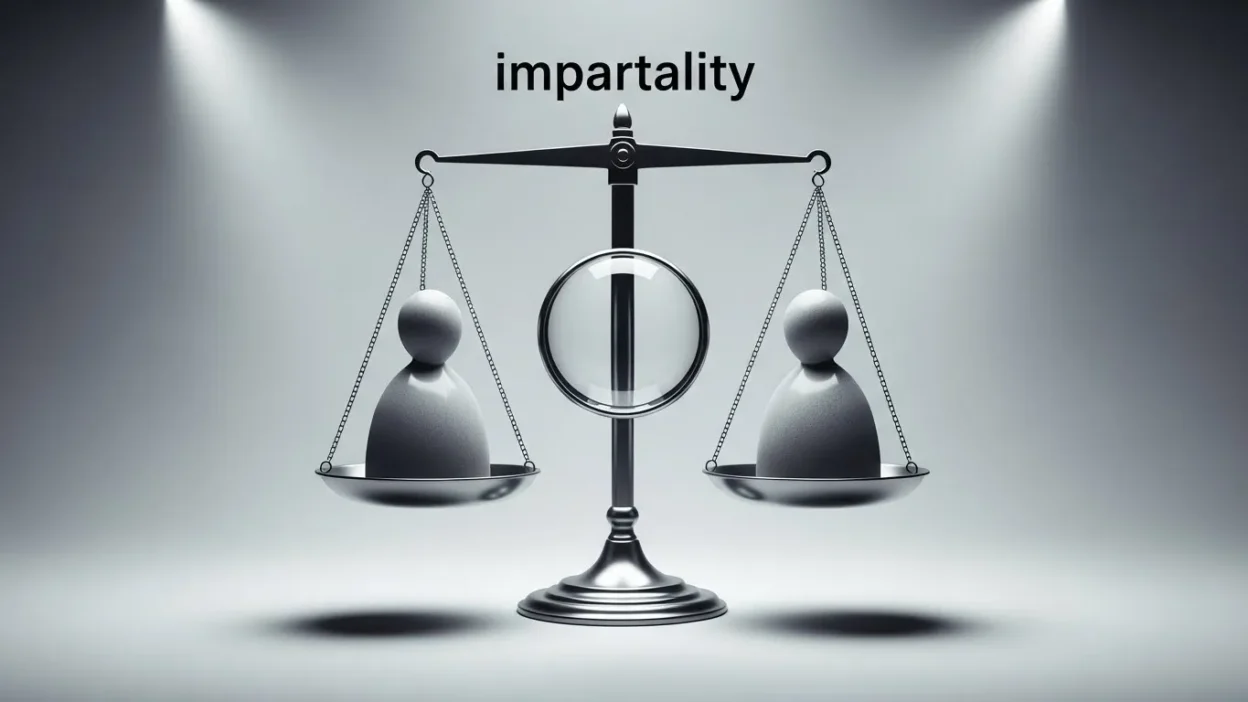
Have you ever heard someone say, “Stay impartial,” and wondered what it actually means? You’re not alone. The phrase “impartial really mean” is searched a lot because people want a clear, simple explanation.
In everyday life, from school debates to social media arguments, being impartial matters more than ever. It helps you make fair decisions, avoid bias, and build trust. In this guide, I’ll break it down in the easiest way possible, with real-life examples, modern context, and quick tips you can actually use.
Quick Meaning Box ⚡
👉 Impartial means being fair and not taking sides.
👉 You judge based on facts, not feelings or personal opinions.
Simple Example:
If two friends are fighting and you listen to both without choosing a side, you are being impartial.
What Does Impartial Really Mean? (Deep Explanation)
Let’s make it even clearer.
When someone is impartial, they:
- Do not favor one side over another
- Stay neutral in decisions
- Focus on truth and fairness
- Avoid personal bias or emotions
💡 Think of it like a judge in a competition.
They don’t pick their favorite person. They pick the winner based on rules.
Why Is Being Impartial Important in 2026?
Today, we live in a world full of opinions—especially online. Being impartial is a powerful skill.
Here’s why it matters:
- Builds trust in relationships
- Helps in fair decision-making
- Reduces conflicts and misunderstandings
- Makes you look mature and intelligent
📱 On social media, people respect those who stay calm and neutral instead of blindly supporting one side.
Real-Life Examples of Impartial Behavior
1. In School
A teacher gives equal marks based on performance, not personal liking.
2. In Friend Groups
You listen to both sides before giving advice.
3. At Work
A manager promotes someone based on skills, not friendship.
Mini Story 💬
Imagine two coworkers arguing. Instead of agreeing with your close friend, you listen to both and suggest a fair solution. That’s real impartial behavior.
Impartial vs Biased – Key Differences
| Feature | Impartial | Biased |
|---|---|---|
| Decision Style | Fair and neutral | One-sided |
| Emotions | Controlled | Influenced by feelings |
| Judgment | Based on facts | Based on personal opinions |
| Trust Level | High | Low |
| Example | Judge in a court | Fan supporting only one team |
Common Situations Where You Should Be Impartial
You don’t need to be impartial all the time—but in some situations, it’s very important:
- Solving arguments
- Making decisions at work or school
- Giving advice to friends
- Judging competitions
- Handling online debates
Similar Words or Alternatives to Impartial
| Word | Meaning | Usage Style |
|---|---|---|
| Neutral | Not supporting any side | Casual/Common |
| Fair | Treating everyone equally | Everyday language |
| Unbiased | Free from personal opinions | Formal |
| Objective | Based on facts, not feelings | Professional |
| Balanced | Considering all sides equally | Modern usage |
Pro Tip 💡
If you want to sound smart and confident in conversations:
👉 Replace “I think he’s right” with
👉 “Let’s look at both sides before deciding.”
This instantly shows impartial thinking.
How to Be More Impartial (Simple Steps)
Want to practice it in real life? Here’s how:
- Listen to both sides fully
- Avoid quick judgments
- Focus on facts, not emotions
- Ask questions before deciding
- Stay calm during arguments
Impartial Meaning in Modern Slang & Internet Culture
In today’s digital world, being impartial is rare—but powerful.
People often:
- Pick sides quickly
- Follow trends blindly
- Support influencers without facts
🔥 But being impartial makes you stand out as:
- Logical
- Mature
- Trustworthy
FAQs (People Also Ask)
1. What does impartial really mean in simple words?
It means being fair and not taking sides, even if you have a personal opinion.
2. Is impartial the same as neutral?
Almost. Neutral means not choosing a side, while impartial also focuses on fairness and truth.
3. Can a person always be impartial?
Not always. Humans have emotions, but you can try to be impartial in important situations.
4. Why is impartial thinking important?
It helps you make better decisions, avoid conflict, and gain respect.
5. What is an example of being impartial?
A judge giving a decision based on evidence, not personal feelings.
Conclusion ✅
Now that you know what impartial means, you can confidently use it in texts, chats, and professional conversations. Remember, it’s all about being fair, unbiased, and neutral.
If you’re giving an opinion, helping friends, or writing professionally, staying impartial shows respect and fairness.