
If you’ve ever watched a cooking video or read a recipe, you’ve probably seen the word “sauté” and wondered what it actually means. Don’t worry—you’re not alone. Many beginners feel confused by this simple cooking term.
In this easy guide, I’ll explain what sauté means, how you can do it at home, and why it’s one of the most important cooking techniques to learn in 2026. By the end, you’ll feel confident using this method in your everyday meals.
What Does Sauté Mean? (Quick Meaning Box)
👉 Quick Meaning:
Sauté means to cook food quickly in a small amount of oil or butter over medium to high heat while stirring or flipping it.
The word comes from French and literally means “to jump”, because the food moves or “jumps” in the pan while cooking.
Why Is Sautéing Important in Cooking?
Sautéing is one of the fastest and easiest ways to cook food while keeping it tasty.
Here’s why people love it:
- Keeps food juicy and flavorful
- Takes less time
- Uses less oil than frying
- Helps vegetables stay crisp and colorful
👉 Think of sautéing as the perfect mix between healthy and delicious.
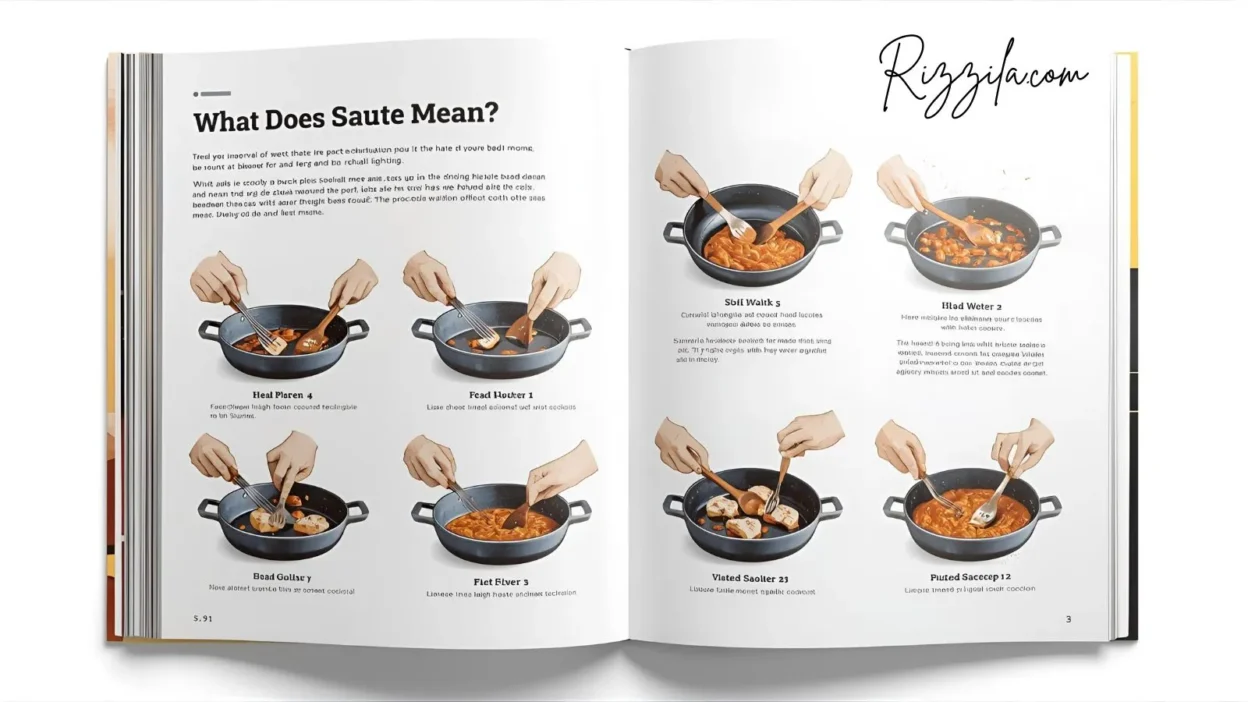
How to Sauté: Step-by-Step Guide
Let me break it down in the simplest way possible.
Step 1: Heat the Pan
- Use a flat pan or skillet
- Heat it on medium to high flame
Step 2: Add Oil or Butter
- Use a small amount (1–2 tablespoons)
- Wait until it’s hot but not smoking
Step 3: Add Ingredients
- Add chopped vegetables, meat, or garlic
- Don’t overcrowd the pan
Step 4: Keep Stirring
- Move the food around constantly
- Flip or toss for even cooking
Step 5: Cook Quickly
- Most foods cook in 5–10 minutes
👉 Pro Tip: Cut ingredients into small, even pieces so they cook faster and evenly.
Best Foods for Sautéing
You can sauté almost anything, but some foods work especially well.
Popular sauté foods:
- Vegetables: onions, mushrooms, peppers, spinach
- Proteins: chicken, shrimp, tofu
- Aromatics: garlic, ginger
👉 Example: Sautéed garlic and onions are the base of many delicious dishes.
Sauté vs Fry vs Stir-Fry (Comparison Table)
| Cooking Method | Oil Used | Heat Level | Cooking Time | Movement |
|---|---|---|---|---|
| Sauté | Low | Medium–High | Fast | Constant stirring |
| Fry | High | Medium | Longer | Less movement |
| Stir-Fry | Medium | Very High | Very Fast | Rapid tossing |
👉 Key Difference:
Sauté uses less oil and moderate heat, while frying uses more oil and stir-fry uses very high heat.
When Should You Use Sautéing?
You should sauté when you want:
- Quick meals
- Fresh flavor
- Light cooking
Real-life example:
Imagine you come home tired. You quickly sauté some vegetables with chicken—boom, dinner in 10 minutes.
Common Mistakes to Avoid
Even though sautéing is easy, beginners make these mistakes:
❌ Adding too much oil
❌ Overcrowding the pan
❌ Not heating the pan first
❌ Stirring too little or too much
👉 Fix these, and your cooking level instantly improves.
Does “Sauté” Have Any Slang Meaning?
In modern internet usage, “sauté” is not really slang, but people sometimes use it playfully to describe something stylish or smooth.
Example:
- “That outfit is sauté-level clean 🔥”
👉 This is rare, but shows how cooking terms sometimes enter casual language.
Similar Cooking Terms (Alternatives Table)
| Term | Meaning | Difference |
|---|---|---|
| Sear | Cook quickly at high heat | Focuses on browning surface |
| Simmer | Cook in liquid at low heat | Slow cooking method |
| Boil | Cook in hot water | Uses liquid, not oil |
| Grill | Cook over direct heat | Smoky flavor |
| Stir-Fry | Fast cooking with constant motion | Higher heat than sauté |
Pro Tips for Perfect Sautéing
🔥 Use a wide pan for better heat
🔥 Dry ingredients before cooking
🔥 Add garlic last (it burns fast)
🔥 Don’t rush flipping—let food brown slightly
👉 These small tricks make a big difference.
FAQs (People Also Ask)
1. What does sauté mean in simple words?
It means cooking food quickly in a small amount of oil while stirring it.
2. Is sautéing healthy?
Yes, it uses less oil than frying and keeps nutrients intact.
3. What is the difference between sauté and fry?
Sauté uses less oil and higher heat, while frying uses more oil and takes longer.
4. Do you cover the pan when sautéing?
No, sautéing is done uncovered to keep food crisp.
5. Can beginners learn sautéing easily?
Yes! It’s one of the easiest cooking techniques to master.
Conclusion
Now you finally know what sauté means and how simple it really is. It’s not just a fancy cooking word—it’s a powerful technique that can upgrade your everyday meals instantly.
If you start using sautéing today, you’ll cook faster, healthier, and with more flavor.
Discover More Article
- What Does Sauté Mean? Quick, Clear & Chef-Approved Explanation for 2026
- GT Cars Explained: 2026 Edition for Auto Lovers
- TTC Meaning Explained 💬: Trending Text & Social Media Slang 2026

Elijah is a dedicated content writer known for crafting high-quality, SEO-optimized articles on trending and viral topics. He has a deep understanding of search intent, keyword strategy, and digital trends, helping content perform well on Google and social platforms. His writing blends creativity with data-driven insights, making each article both engaging and impactful.